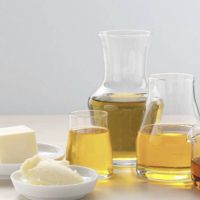
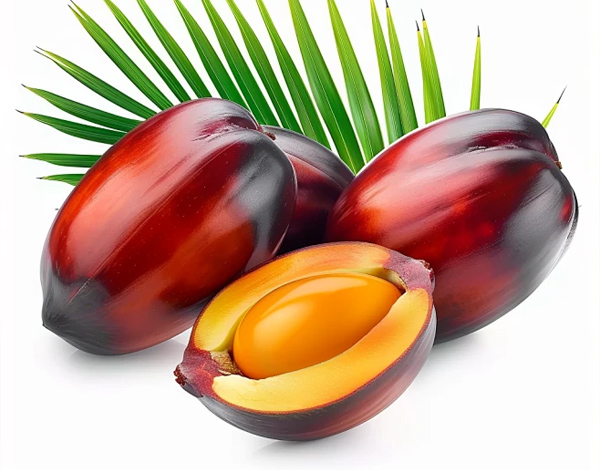
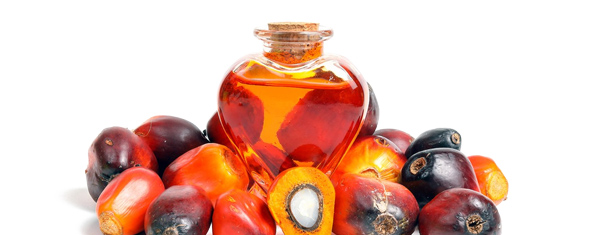
Palm oil is derived from the palm fruits of the oil palm tree and is a globally important vegetable oil.
The oil palm tree is native to western Africa and is now widely cultivated in tropical regions. Malaysia and Indonesia are the main producing countries. After the palm fruits are harvested, they undergo pretreatment processes such as fruit stripping and steaming to break down the cell structure. Then, crude oil is obtained through pressing and extraction. The crude oil is refined to remove impurities and other substances to obtain the finished product.
Palm oil contains both saturated and unsaturated fatty acids. It is semi - solid at room temperature and has good plasticity and oxidative stability.
It has a wide range of applications. In the food industry, due to its high smoke point and good stability, it is used for cooking, frying, and baking, and can also be made into products such as margarine. In industry, it is a raw material for oleochemicals, used to produce products such as soap, and is also a raw material for biodiesel.
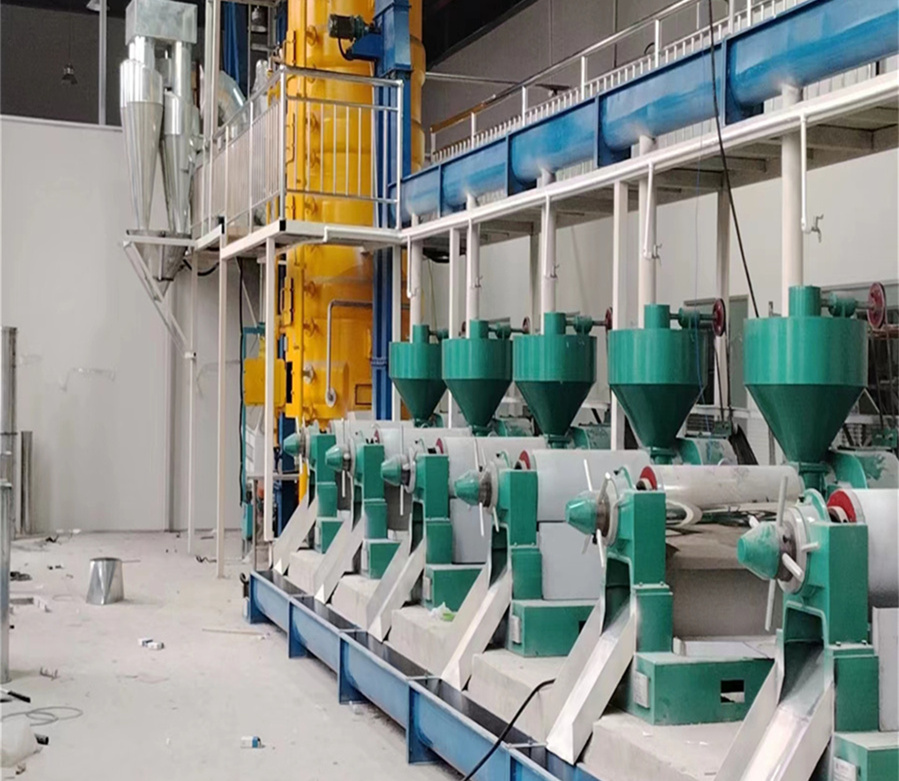
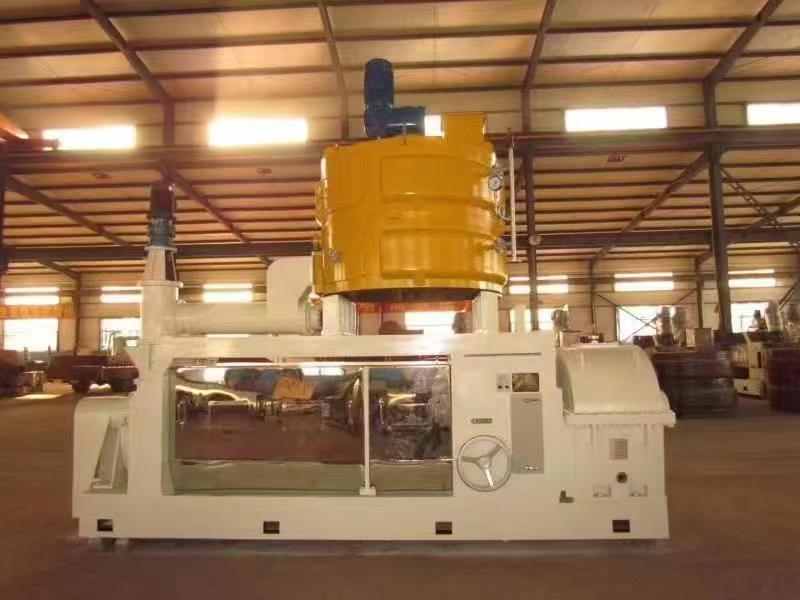
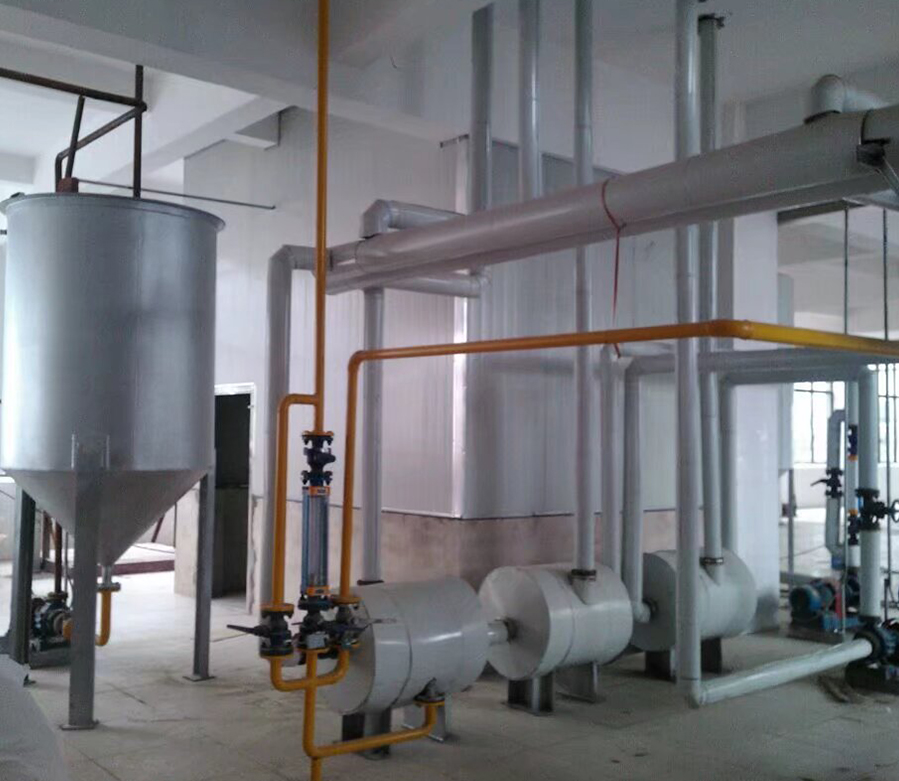
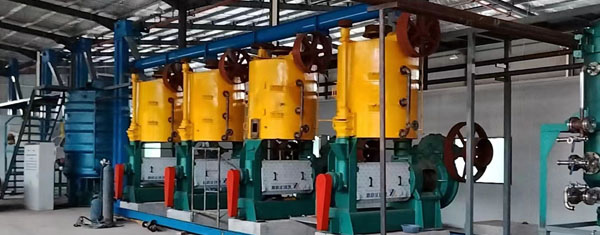
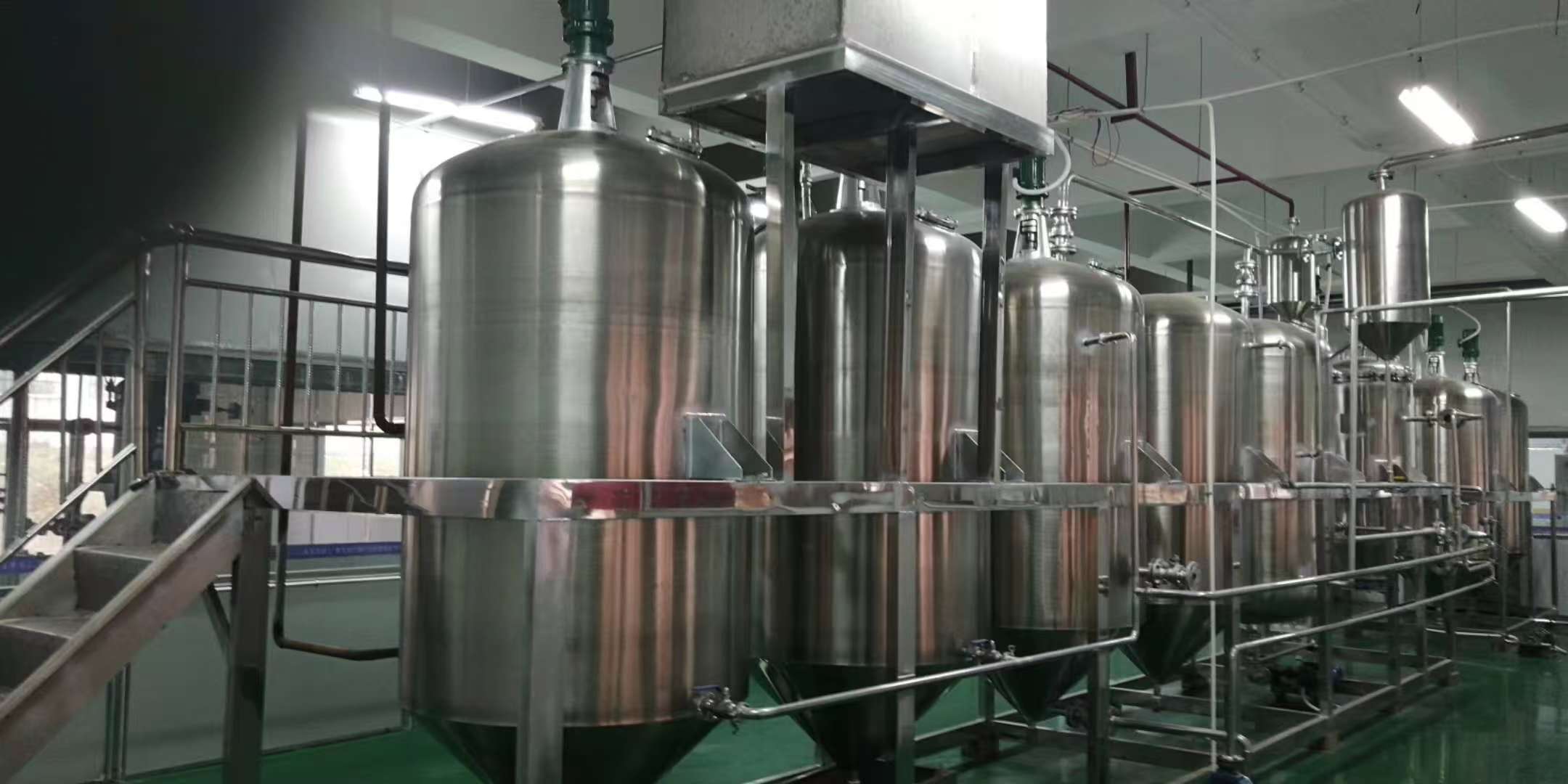
In large - scale palm oil factory production, first, palm fruit bunches are received, then they are subjected to fruit stripping and steamed at 100 - 105°C. Subsequently, oil is extracted using a screw press, and is initially separated by sedimentation or centrifugation. The crude oil goes through filtration and centrifugal purification in sequence, and then is refined through processes such as degumming, deacidification, washing, drying, decolorization, and deodorization. Some palm oil also undergoes fractionation. After cooling and crystallization, different products are obtained through separation.
 1
2
3
4
1
2
3
4
工作时间:周一至周五 9:00-18:00
Contact:Miss Li
Mobile:15515166685
Email:maoqianlong2002@163.com